By WMBD TV
PEORIA, Ill. (WMBD) — As the world of technology constantly changes, being digitally literate has become more important than ever before.
With growing social media landscapes and the rise of A.I. scams, staying safe from hackers has become harder, especially with children and the elderly.
Luckily, the most common scams like phishing emails and fake text messages are still easy to look out for. Commonly appearing as urgent messages from jobs and family members asking for passwords or money, along with many forms of prize-winning emails requesting account info or card numbers.
Emails and texts should always be verified by the user before continuing to make sure that they’re coming from legitimate sources.
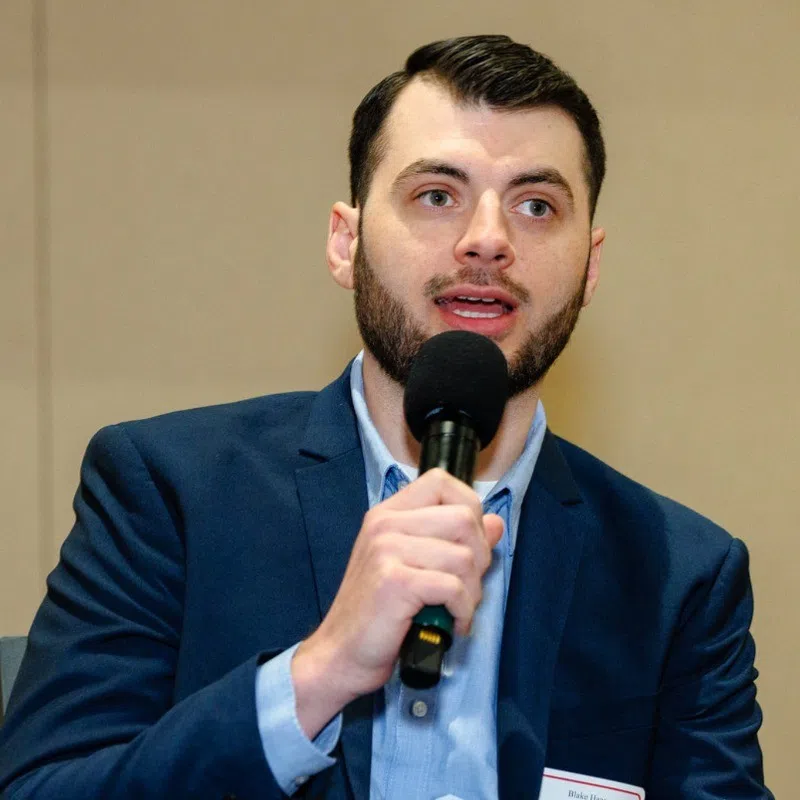
Trey David, a senior account executive at Facet Technologies, said a good rule of thumb to follow is that if it sounds too good to be true, then it most likely is.
“Never enter sensitive information directly into an email or text. A lot of times when you get that type of phishing texts or emails, they’re trying to gain information from you either through your personally identifiable information or credentials. Those are the two things they’re trying to do because they want to gain access,” he said.
“A lot of things we tell people is that no reputable entity is going to ask you for your credentials, your username and password in an email or text,” he added.
One of the most popular new scamming methods has been a rise in A.I. voice cloning for phone calls. This is where hackers use artificial intelligence to scan someone’s social media accounts and mimic their voice through prompts.
David said a good way to counter the cloning messages is to always listen for out-of-character traits in friends and family, and to never share personal information over the phone.
WMBD TV first reported this story. You can read the original story online at CIProud.com.